Conversations that Continue.
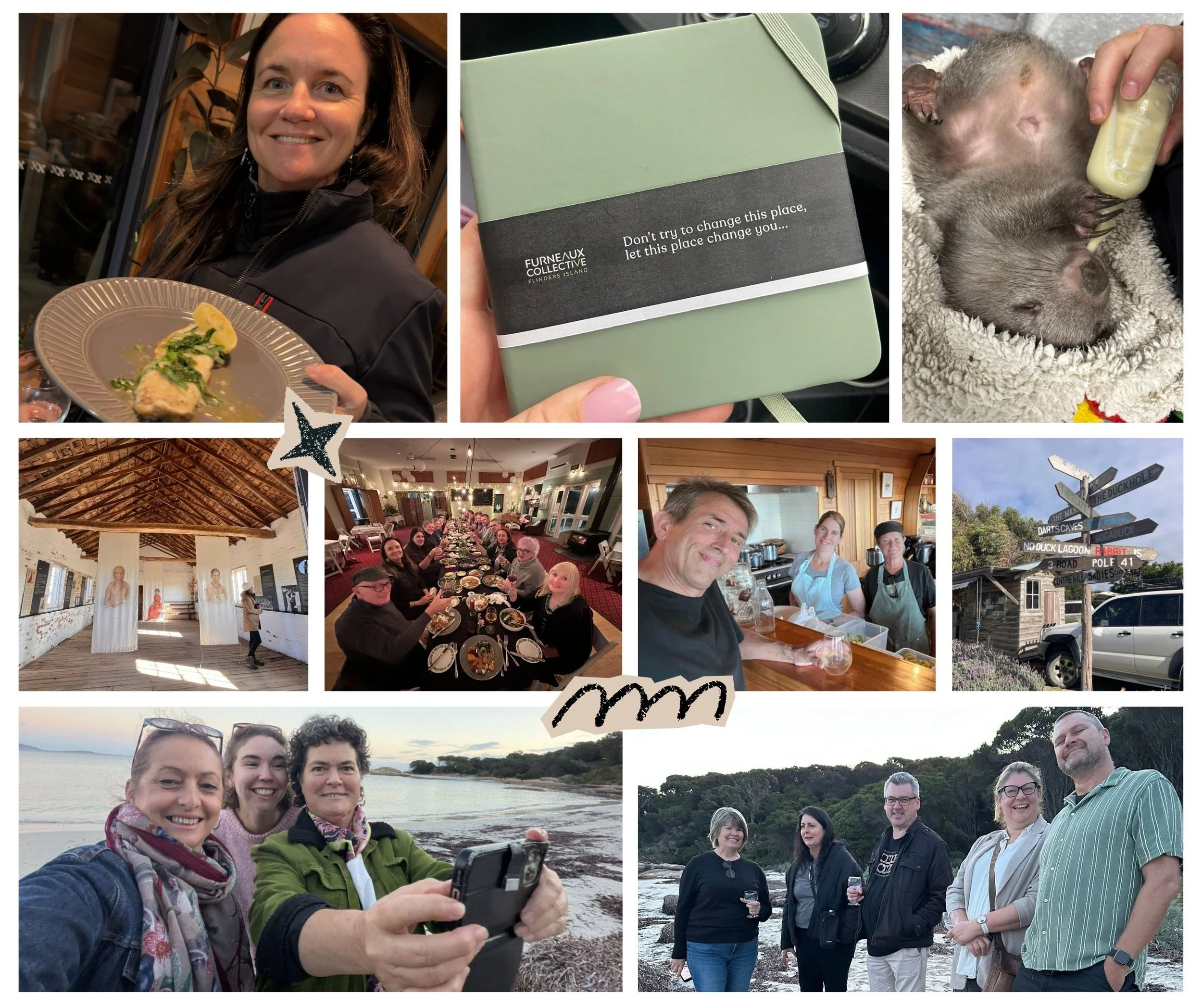
From 4–7 May, the Furneaux Collective hosted Portals to Place, a gathering shaped around a simple but powerful question: how can communities shape their own future, on their own terms?
The conference brought together people from across Tasmania and beyond who are living, working and caring for isolated and special places. But Portals to Place was never just about sitting in a room and listening. It was about opening up honest conversations around place, community, economy, tourism, belonging and what it really takes to do things differently.
What unfolded over those few days wasn’t a traditional conference, and it was never intended to be. Instead, Portals to Place became a space for honest conversations, shared stories, challenging ideas and reflections about what it really takes for communities like ours to thrive.
Across the gathering, one thing became clear. Places thrive when people feel connected to community, purpose and nature. And when those connections are lost, places can quickly lose the very things that make them special.
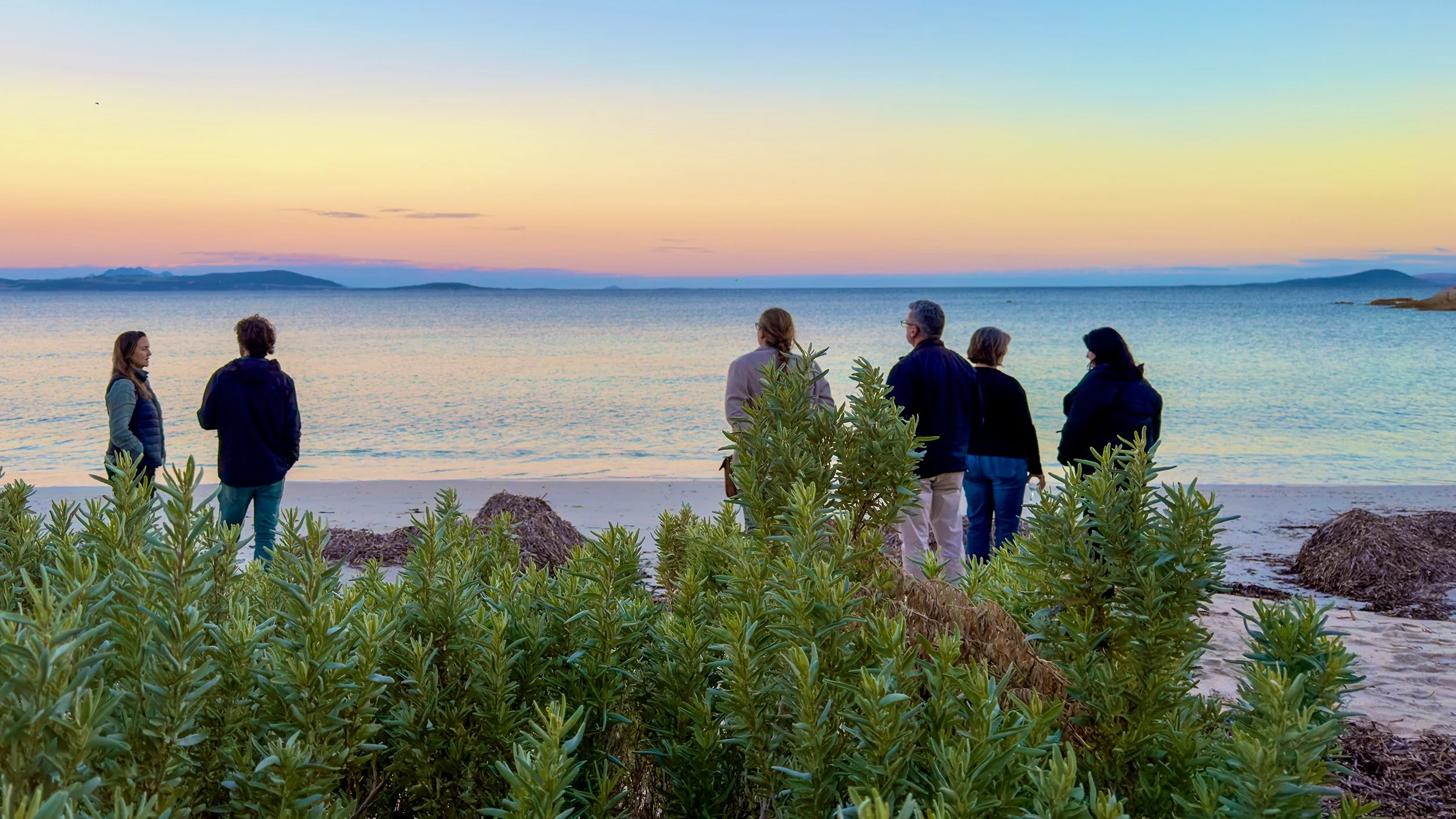
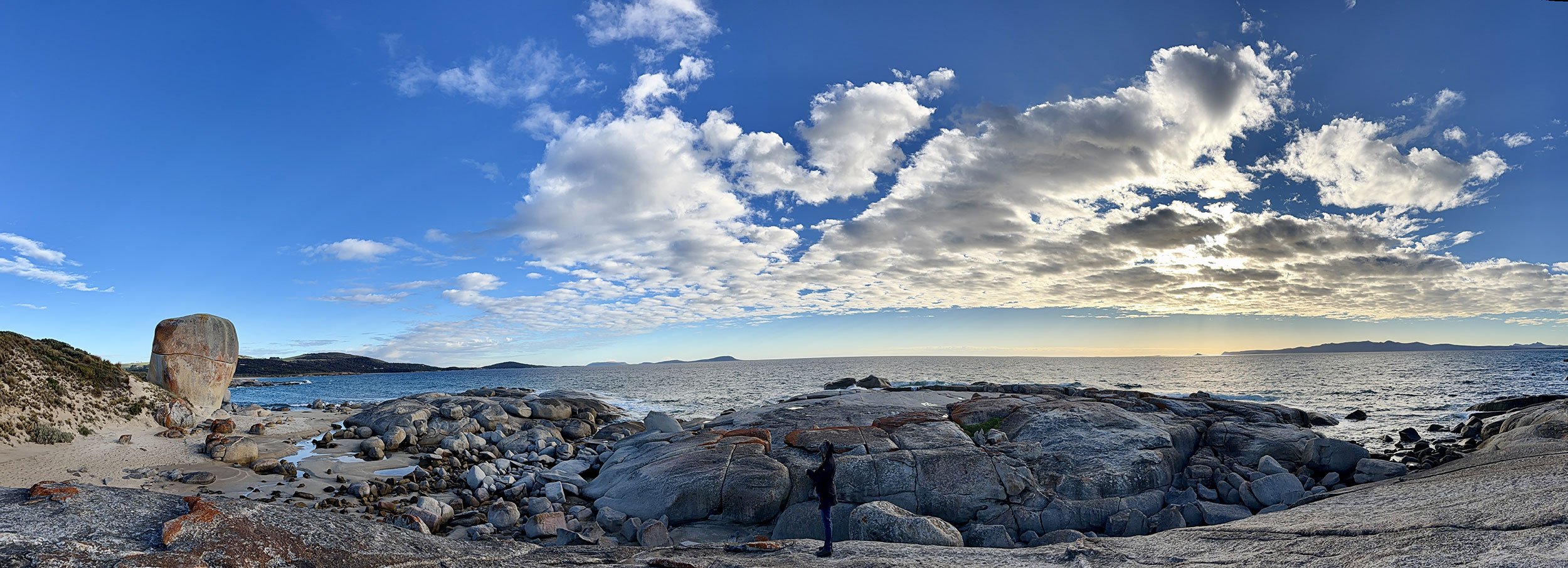
The conference began with a walk to Castle Rock at Marshall Bay, then a gathering at Pine Scrub. Before any formal presentations began, people slowed down, shared food, walked the coastline and settled into the rhythm of the island. In many ways, that set the tone for everything that followed.
There was something powerful about watching people arrive not just physically, but mentally too. Conversations started over shared meals and while looking out across the coastline. The space itself became part of the learning.
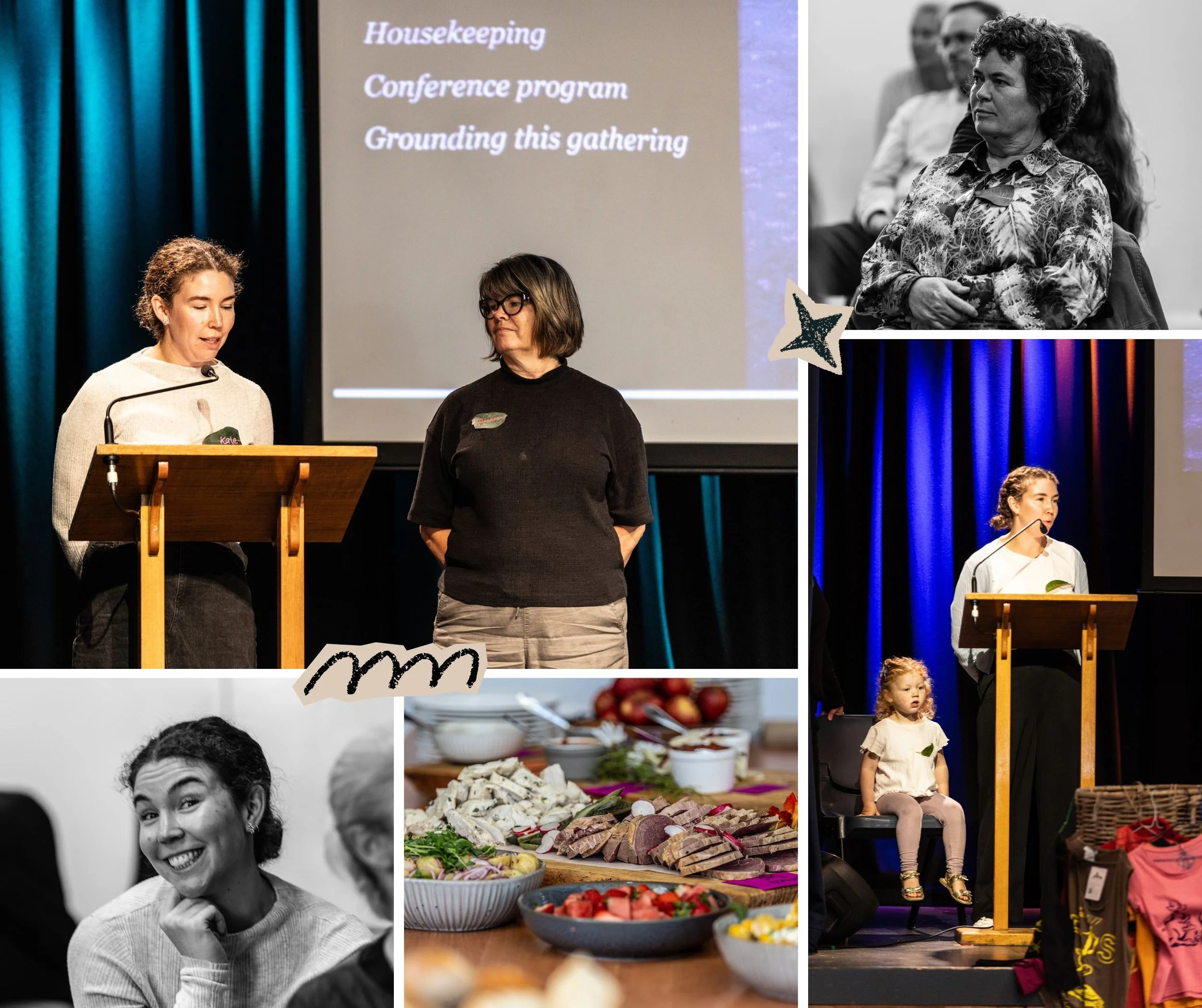
Our Project Manager Kate somehow juggled kids, logistics and the moving parts of a three day conference with calm energy and a smile, keeping everything flowing seamlessly behind the scenes.
The conference was convened by Dianne Dredge from Place Ecologies, whose longstanding work through the Islander Way journey helped shape the intention, conversations and heart behind the gathering.
Day One focused on rewilding our thinking and hearing stories from people navigating complexity, care and change.
Our journey began with a warm welcome from Jade Boyes, before local voices grounded the conversations in the realities of island life. Kat Hopkins explored the environmental challenges and unique biodiversity of the Furneaux Group, Claire Castle reflected on what it means to call Flinders home, and Ange Anderson shared her experience of returning to island life and reconnecting with self, community and place.
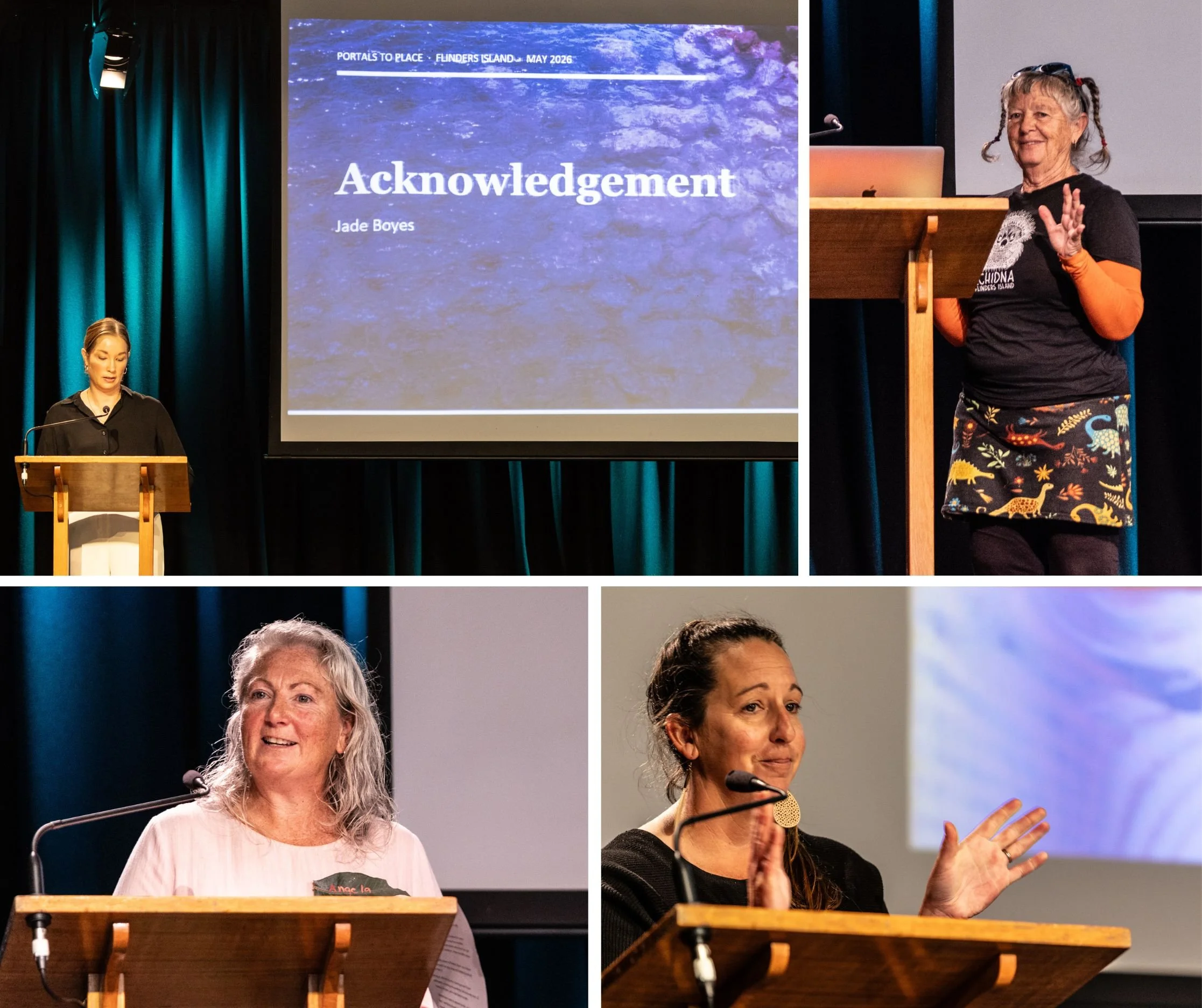
We also heard from Eva Addinsall from Regenerative Vanua on stewardship and belonging, Sophie Underwood from the Freycinet Action Network and Planning Matters Alliance Tasmania, Vanessa Ward from the University of Tasmania on regenerative design thinking, and Fuchsia Sims on Bruny Island and the realities of overtourism and development pressure.
With the diversity of presentations, common threads emerged throughout the day. Conversations returned to the importance of listening, slowing down, valuing local knowledge and recognising that communities are living systems, not simply economies or destinations.
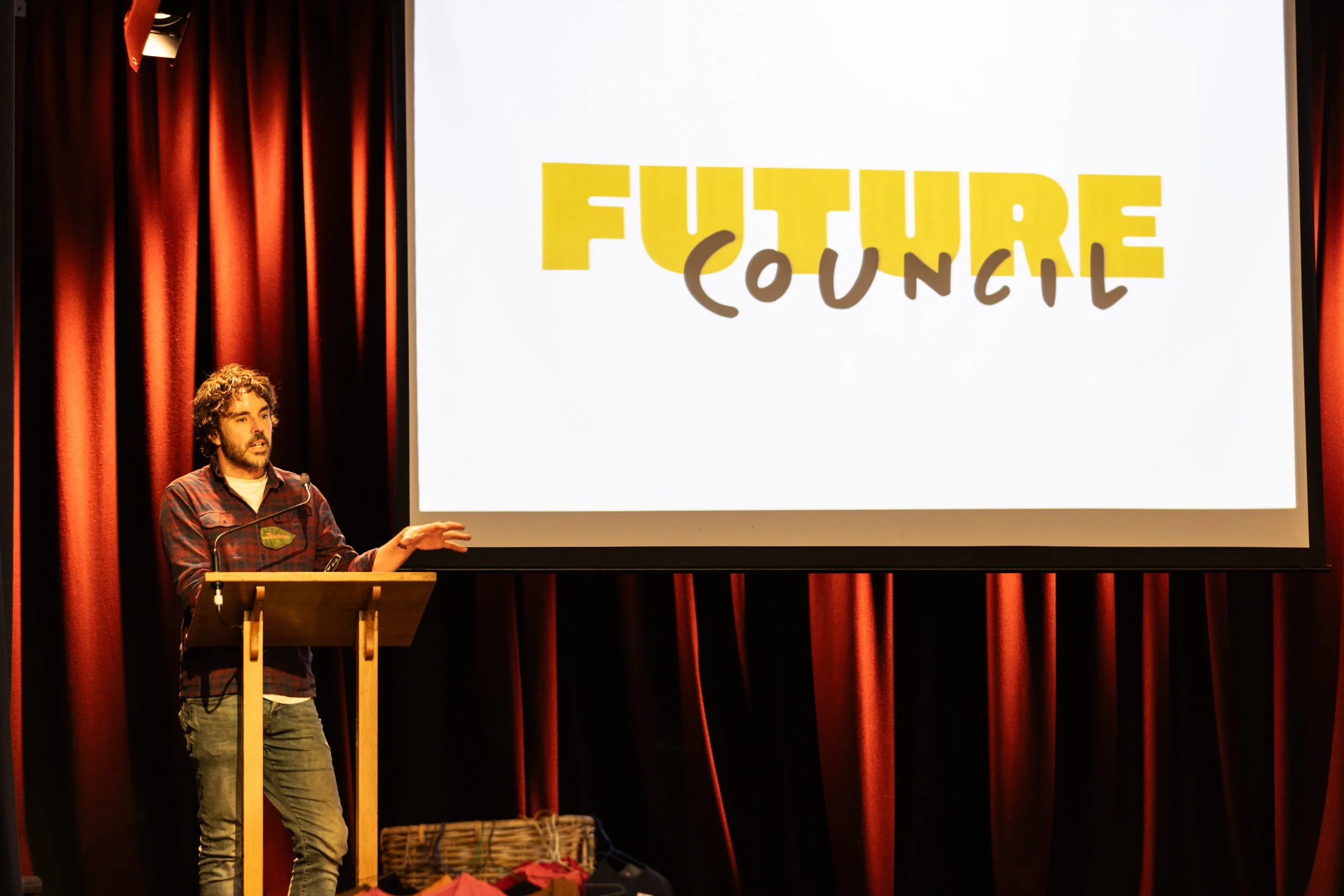
One of the highlights of the conference was welcoming Damon Gameau, Damon’s session sparked thoughts about how communities can build resilient and regenerative futures by valuing local knowledge, imagination and connection to place.
It was a reminder that regeneration is ultimately about relationships as much as systems or economics.
Day Two shifted toward listening to community voices and understanding what it means to live and work within the rhythms of a small island.
Dianne reflected on the Islander Way journey, community engagement and the evolution of the Furneaux Collective, exploring what has been learned along the way and where the work may lead next.
Guests heard from more local presenters including Rachel Summers representing the Flinders Island Local Food Network, Lauren Maxwell on leaving corporate life behind to establish a permaculture farm at West End, Margie Goss from Patriarchs Wildlife SanctuartPaWS and Sally Walker from the supermarket on the realities of feeding an island community.
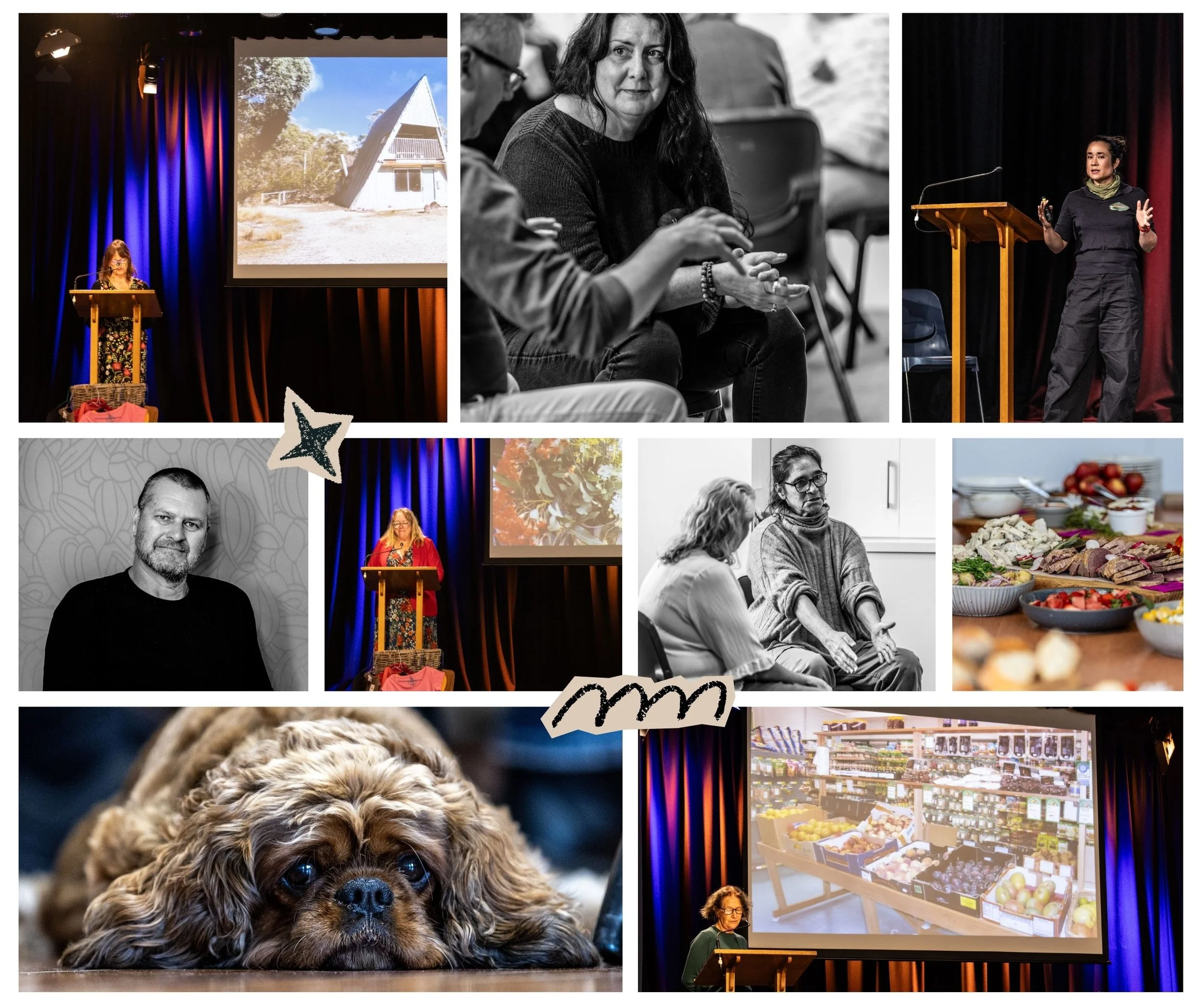
These stories highlighted the often unseen work that keeps small communities functioning. The care, adaptability, resilience and quiet persistence required to sustain businesses, food systems and community wellbeing in remote places.
Lois Ireland from Bowman’s shared stories about the importance of visitors in sustaining small island businesses, while Jamie West and Jacqui Cooper spoke about creating inclusive communities through their work with Two Thumbs Up and the importance of ensuring people feel seen, valued and connected.
The afternoon also included a session with Jana and Sammi from the Furneaux Collective, We heard about the realities of balancing opportunities with community capacity, and the importance of creating pathways for people to genuinely participate in shaping the future of this place.
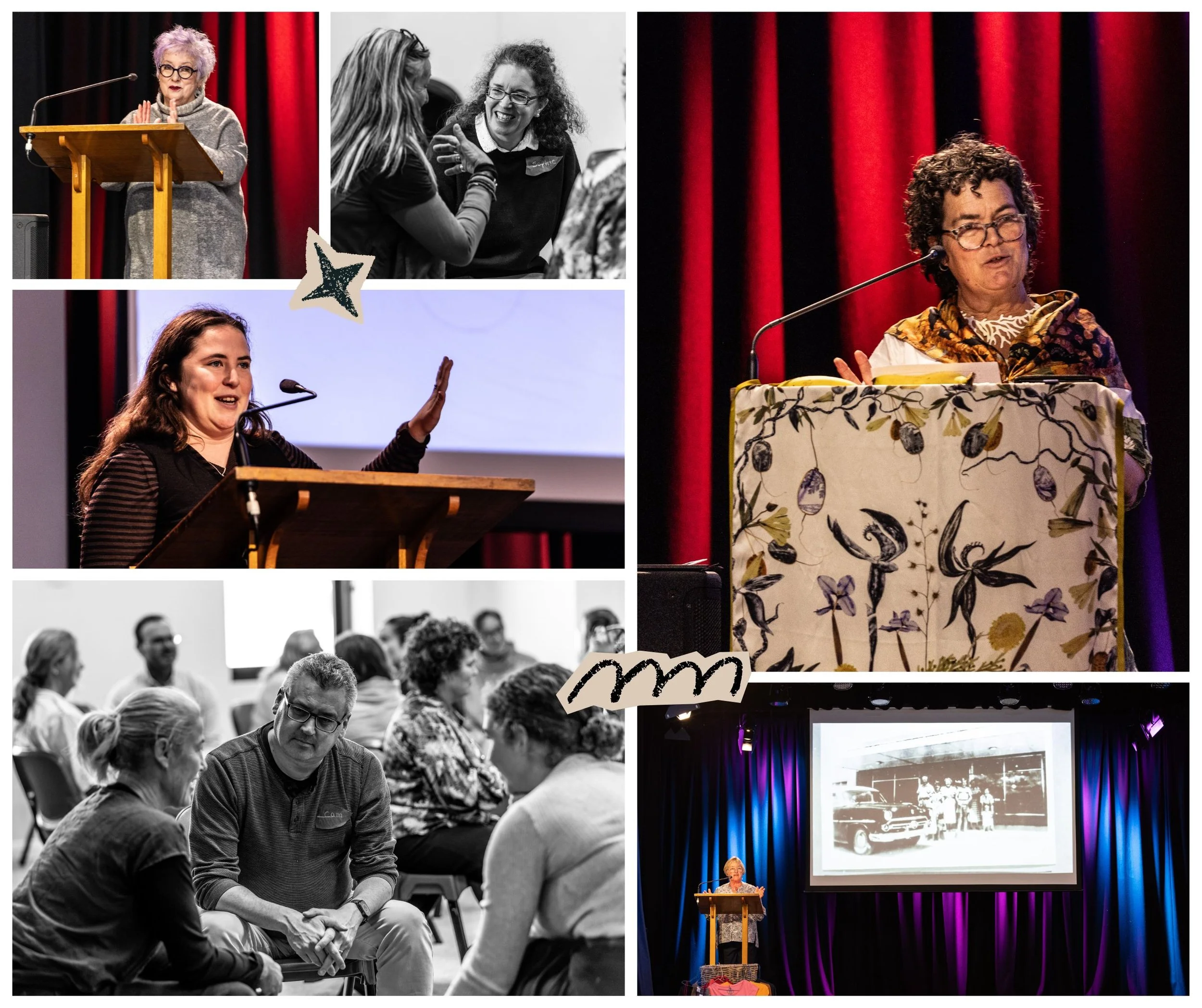
Deborah Wace demonstrated how art can become a powerful form of advocacy, storytelling and connection through an immersive presentation blending art, fabric design, song and film. Her session reinforced the idea that creativity is not separate from regeneration, but deeply connected to how communities process, express and care for place.
Between sessions, conversations continued everywhere. Over meals, during walks, around tables and across a five square metre whiteboard that quickly filled to the brim with ideas, reflections and future possibilities.
Some conversations were practical. Others philosophical. Some explored tourism, governance and community wellbeing, while others simply explored what it means to belong somewhere.
Day Three focused on deeper learning, reflection and regenerative practice. Guests visited Wybalenna and the Furneaux Museum to better understand the island’s layered and complex history, before returning for collaborative discussions exploring systems thinking, regenerative economies, community co design, greenwashing and socialwashing, community capital and how regeneration can genuinely be embedded into place based decision making.
The discussions explored difficult but important questions. How do we recognise genuine regeneration versus branding language? How do we create systems that value social and environmental wellbeing alongside economic outcomes?
Sarah Lebski reflected on her and Dianne’s work through the Islander Way journey, and how that process helped shape the direction of the Furneaux Collective. She also spoke about the importance of advocacy, relationships and ensuring communities like ours are represented in front of decision makers when it comes to creating meaningful change.
Conversations throughout the afternoon also explored future possibilities for Flinders Island, including regenerative design workshops, artist residencies, community led tourism initiatives, mentoring opportunities, deeper partnerships and new ways of embedding nature and local knowledge more meaningfully into decision making.
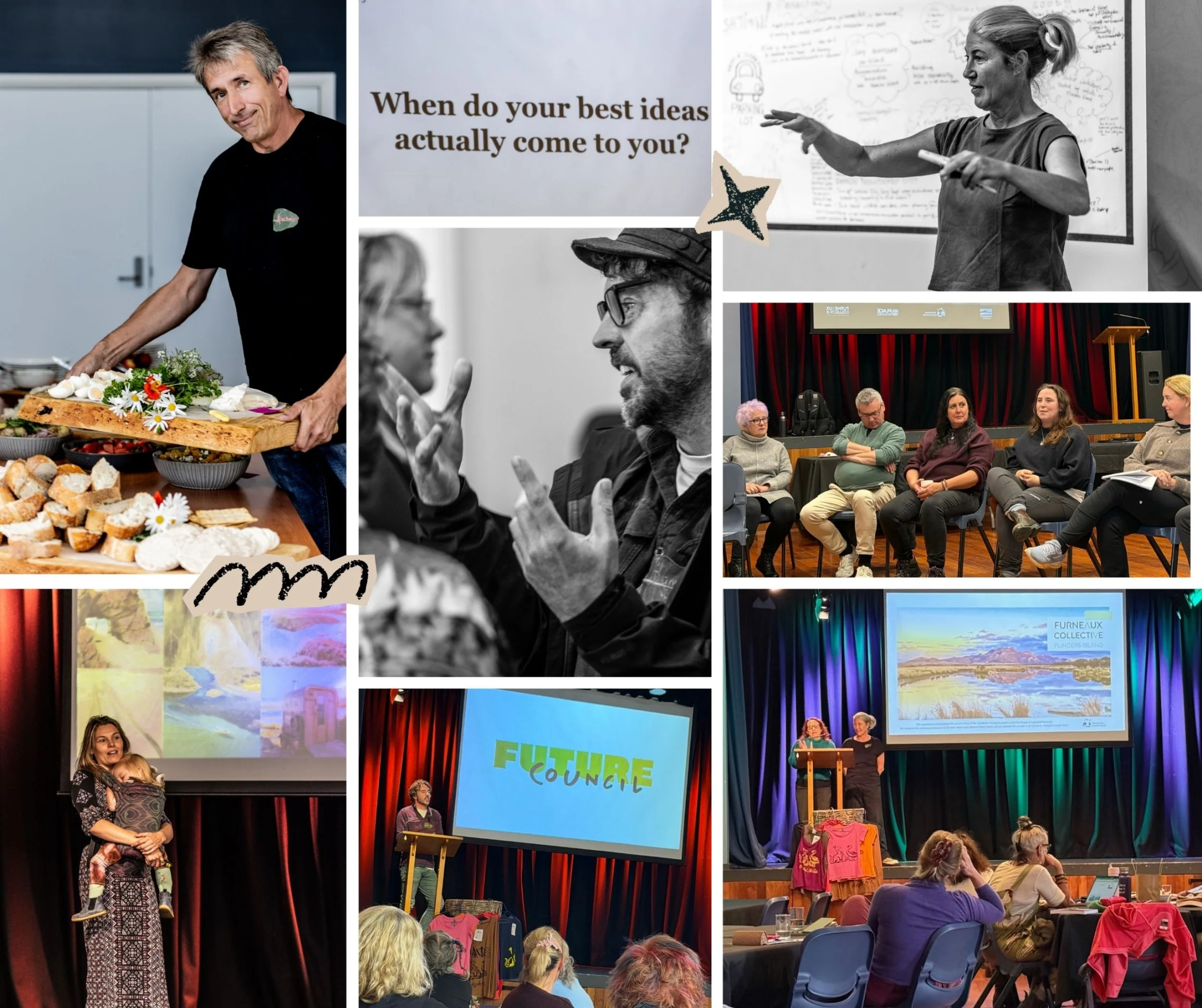
We understand there will naturally be questions about what gatherings like this actually achieve, particularly in a small community where people are practical and action focused.
For us, the value of the conference wasn’t just in the conversations themselves, but in what those conversations make possible next. The real work now is turning ideas, relationships and momentum into practical action in ways that suit our community, our capacity and our place.
Not every outcome is immediate or easily measured. Sometimes the most important shifts begin quietly, through relationships formed, perspectives challenged, confidence built or new ideas taking shape.
Events like this also create direct economic benefit for the island. Through accommodation, hire cars, catering and local spending, the conference contributed approximately $20,000 back into the local economy during a quieter seasonal period, alongside the longer term value of new partnerships, collaborations and opportunities emerging from the gathering.
A heartfelt thank you to Dianne Dredge for your thought leadership, generosity and your ability to hold space for these conversations to emerge. Thank you also to all of our local presenters for generously sharing your stories and experiences, including Jade Boyes for the Welcome to Country.
Thank you to our local businesses and vendors including The Cabin Park for hos accommodation and FICR for hire cars, our incredible caterers Cate Cooks, Liz Leigh, the Altmoor CWA, the Flinders Island Bakery and the Interstate Hotel, and to Flinders Council for their ongoing support.
Most importantly, thank you to everyone who showed up with openness, curiosity and a willingness to listen.
The conversations may have finished for now, but the work, relationships and ideas will continue.